The Office of the Provost and Vice President for Academic Affairs has announced the promotion of several faculty members to full professor, effective for the fall 2026 semester.
College of Arts, Humanities, Media, and Public Affairs
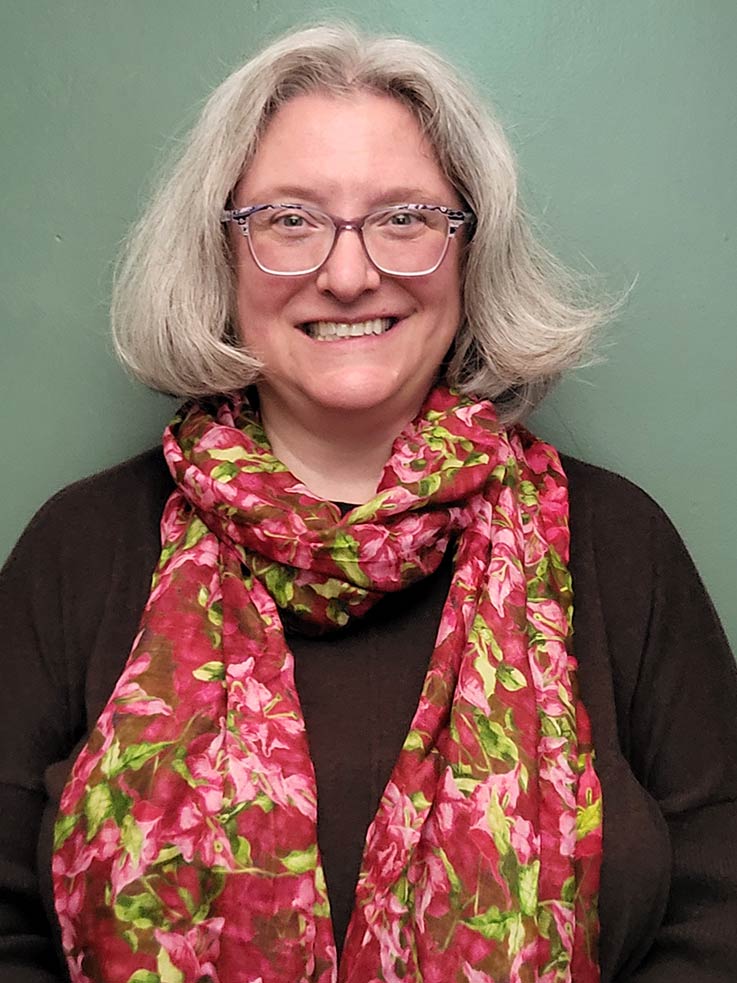 Jeanine Mazak-Kahne
History, Philosophy, Political Science, and Religious Studies
As I was growing up, my parents created an environment that encouraged a love of learning and sharing what we learned, not only with one another, but also with others. They constantly introduced my brothers and me to a new book, a new game, or a new activity, all of which reinforced a desire to learn something new every day. We looked forward to the summer reading club at our public library, where we not only read but also had the opportunity to “report” our reading journey to librarians, sharing what we learned while receiving positive reinforcement and new ideas to encourage our growth. We had fun turning over flat stones in streams and taking the bus with our grandma to explore the city. Sharing what we learned was just as important as the experience itself.
This continued in college, where I met my husband, who is a grade-school teacher. In the evenings, we talk shop over dinner and spend leisure time with a good book, a fun game, or time in the garden. Because of it all, throughout my life I have worked in environments where I have been able to learn something new every day and then share what I have learned with others, from high school and college jobs in fast food and cemetery groundskeeping to my time as an archivist and now at IUP.
Every day, I get to share what I have learned, as well as learn from others, whether faculty, staff, or students. Hopefully, I will always be a lifelong learner and, with any luck, encourage students to do the same.
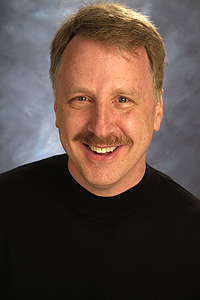 Timothy Paul
Music, Theatre, and Dance
My life has been shaped by a deep commitment to my family, learning, service, leadership, and helping others discover their own potential. Throughout my journey, I have embraced every opportunity to grow personally and professionally while remaining grounded in the values that have guided me from the beginning.
My path has not always been easy, but each challenge has taught me perseverance, humility, and the importance of staying true to my purpose. Education and continuous learning have played an important role in my life, allowing me to expand my knowledge while also encouraging me to share what I have learned with others.
As a professor, I have come to understand that my work is about much more than professional achievement. It is about people—their stories, their struggles, their hopes, and their desire to live meaningful and fulfilling lives. I strive to approach each person with compassion, respect, integrity, and a genuine willingness to make a positive difference.
Over the years, I have been blessed with experiences and relationships that have shaped who I am today. My family, colleagues, mentors, friends, and the many people I have encountered along the way have each contributed something meaningful to my journey.
I believe that a meaningful life is measured not simply by what we accomplish, but by the lives we touch and the difference we make. My goal is to continue growing, serving, encouraging others, and leaving a legacy built on faith, compassion, knowledge, and service.
I am grateful for the journey behind me, committed to the opportunities before me, and hopeful about the future. My story continues to be written, one experience, one lesson, and one life-changing moment at a time.
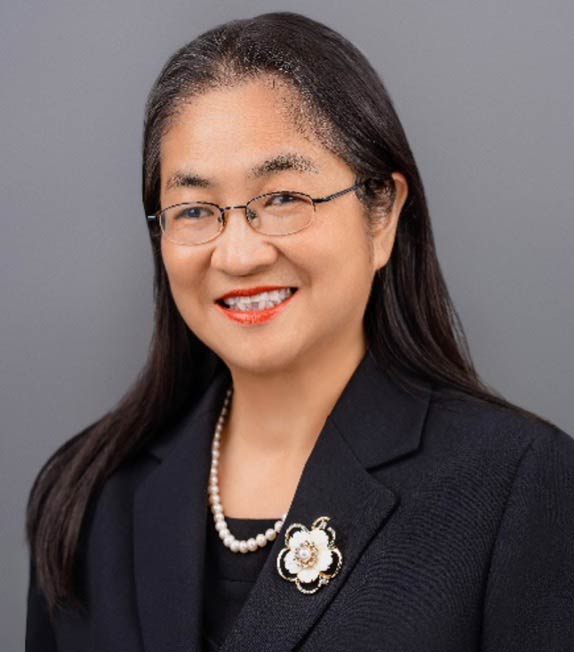 Lingyan Yang
Language, Literature, and Writing
I grew up in front of my father’s bookshelves. I learned to read with Charles Lamb and Mary Lamb’s Tales from Shakespeare (1975) and 300 Poems of the Tang Dynasty in childhood, developing an appreciation for the beauty of language and the power of ideas. I wanted to be an English professor like my dad, who has been a prominent English literary scholar in China for several decades.
However, my scholarly and pedagogical specializations have been entirely my own and distinctly American. I received a PhD from the Department of English at the University of Massachusetts Amherst and specialize in Asian American women’s literature and feminism, postcolonial and American multiethnic women’s literature and criticism, critical theory, and feminist pedagogy. My multilingual book, A Concise History of American Literature (in Chinese), coauthored with my father, is forthcoming in its second edition from Shanghai Foreign Language Education Press and exceeds 374,000 words after revision. My guest-edited issue of Works & Days, titled Intellectual Intersections and Racial/Ethnic Crossings (2007; 270 pages), focuses on comparative American multiethnic cultural criticism.
I have always loved and excelled in teaching Liberal Studies, English, Women’s and Gender Studies, and graduate courses. My pedagogy has been student-centered, feminist, Asian American, inclusive, global, engaging, caring, and fun. During this promotion period, I mentored 100 doctoral students, including directing 34 dissertations. I received the Center for Teaching Excellence Teaching Award in Inclusive Excellence for the second time in spring 2022.
I have also approached national and institutional leadership and service with dedication. I served as vice president of MELUS (the Society for the Study of Multi-Ethnic Literature of the United States) from 2012 to 2015 and reviewed manuscripts for national academic journals and publishers. At IUP, I am proud to serve as director of Women’s and Gender Studies in my third term (2012–15, 2022–25, and 2025–28) and to have received the IUP Jane Leonard Outstanding Leadership Award for a Senior Woman Faculty Member in spring 2025. I will continue to work with colleagues and students to advocate for women’s, gender, and culturally inclusive excellence during challenging times.
College of Education and Human Services
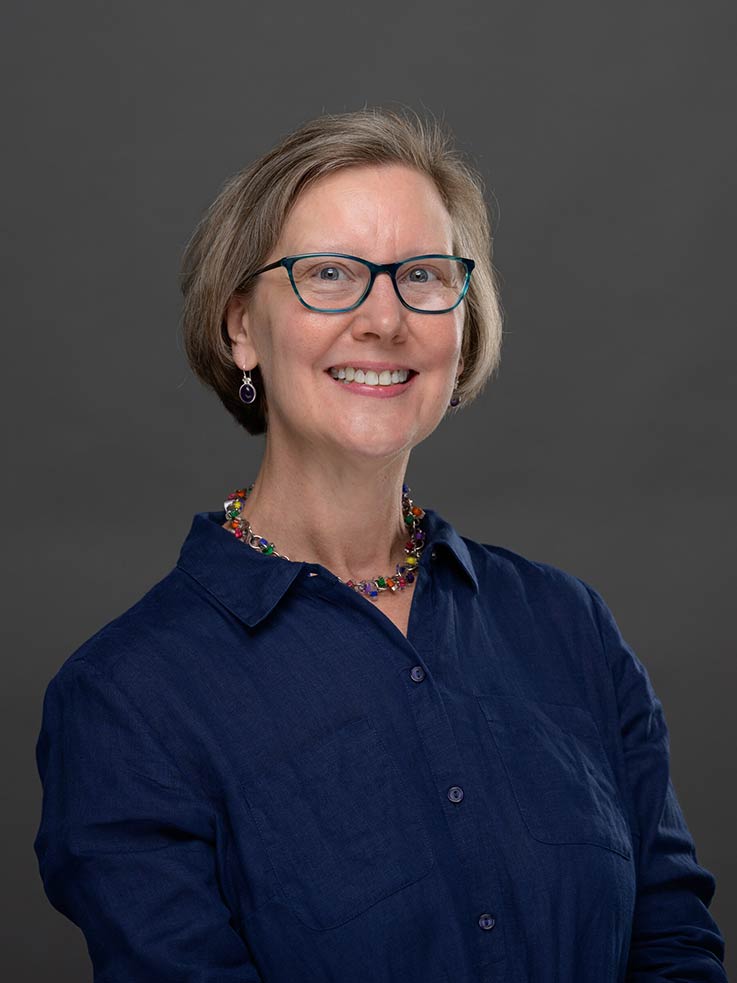 Diane Shinberg
School Psychology, Special Education, and Sociology
Early in college, my eyes opened wide when we read Peter Berger’s Invitation to Sociology in an introductory course. His “first wisdom” concerned the idea that in the taken-for-granted world, “things are not what they seem.” Adeptly guided by our professor, my classmates and I were imbued with a sociological passion to see beyond everyday habits and behind society’s facades. The perspective I gained helped me better understand my previous experiences as a New York City straphanger.
Instead of riding yellow school buses, middle- and high-school students traveled to school on public transportation, including buses and subways. As a 7th- through 12th-grade student, I spent countless hours on New York’s subway system, literally rubbing shoulders with masses of adults commuting to work. Watching people hurry on and off trains at stations across Queens and Manhattan, I wondered about their daily lives, where they lived, and how they made ends meet. On my bucolic college campus, my developing sociological eye rekindled my curiosity about the strangers I had watched trudge through their daily routines. Sociology helped me see more fully and “get it.”
Another college course delved into the intellectual roots of the 20th century. Not only did it prompt me to think about how ideas and customs intertwine with technology, but it was also the class in which I began to dream of becoming a professor. In my first job after college in Washington, DC, I was mentored by a practicing sociologist who tracked the educational and employment trajectories of US engineers. I balanced my professional work with volunteer service for a women’s health advocacy organization.
I brought these interests together in graduate school in Madison, Wisconsin, where I studied medical sociology and demography. Today, I am delighted to share my expertise in health equity, social policy, gender, and disability studies with my students, hopefully sparking their own emerging sociological passions.
Kopchick College of Natural Sciences and Mathematics
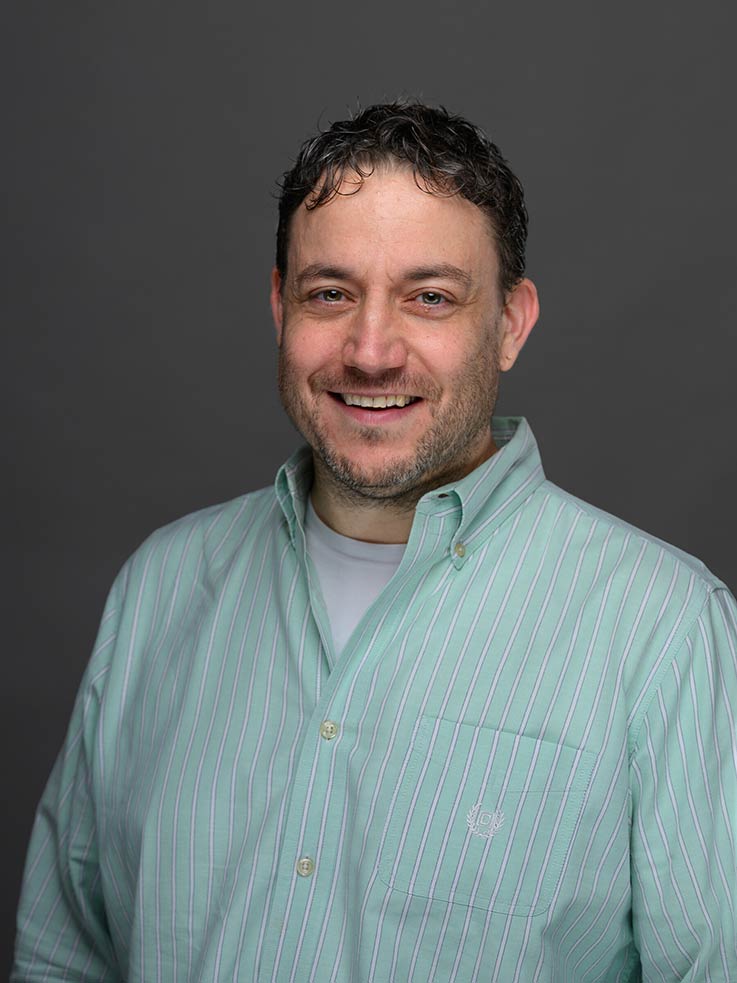 Robert Major
Biology
At the end of my freshman year in college, my laboratory professor instructed us to crack open a fertilized chicken egg into a dish and observe the developing embryo. It did not look like much and certainly did not look like a chicken. But as my eyes hovered a few inches over the mass of broken yolk, I could see strands of red converging near a small collection of beating cells. As someone who was not a very good student growing up and someone who cared little for science, this moment was life-changing. Since then, I have been fascinated by how we start off as a single cell and become so beautifully complex.
My undergraduate research projects focused on how growth factors drive cancer progression and how similar signals guide kidney formation. My research mentors were interesting people who combined science with a love of art. They taught me how to find beauty in obscure things and the importance of creativity and challenging oneself in the scientific process. My doctoral dissertation took a recognized model and turned it on its head. My findings revealed a novel mechanism by which embryonic tissues create “fences” during periods of rapid growth. When these boundaries are not well constructed, tissues fail to develop properly. These studies inspired my postdoctoral research, which led to the discovery of molecular switches that can activate heart regeneration following injury.
Every day on this campus, my students and I study complicated things. It is wonderful. Everyone should have the experience of being the first person to observe how a little piece of the world works. It is a privilege, driven by our passion to ask questions and to design creative ways to answer them. This is how we find beauty in where we came from, who we are, and where we are going. It is also the coolest part of what it means to be human.
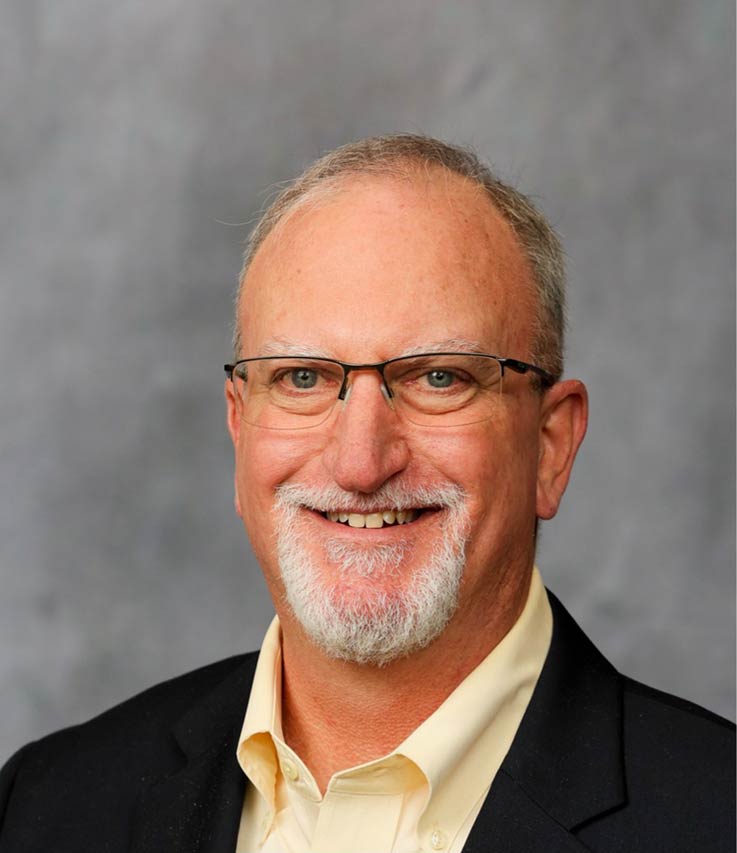 Bryan Seal
Safety Sciences and Environmental Engineering
I joke with my students that those of us in the occupational and environmental health and safety (OEHS) profession have the best jobs on earth: We get paid to watch other people work. But then I remind them why we are really there. We observe the work to understand what might harm people, whether the danger appears immediately or does not surface for another 20 years.
I caught the teaching bug in 2004, when Dr. John Engler hired me as a health consultant for the PA/OSHA Consultation Program at IUP. When I accepted the position, I asked whether there might be opportunities to teach. The very next semester, I was in front of a classroom covering one of Dr. Bob Soule’s courses. Working alongside John and Bob, I was hooked. It took another 10 to 12 years before I returned as a tenure-track professor, but this is my dream job.
I have been in the OEHS profession for nearly 35 years, and I am still humbled by the students I get to work with every year. I am also stepping into a four-year presidential cycle, having been elected vice president of the American Industrial Hygiene Association, the largest professional association in our field.
Closer to home, I currently serve as Senate chair, an experience that has been every bit as enlightening as it has been rewarding. It has taught me how this university community truly works, and I try to bring positive energy to it every single day.
Research and Innovation
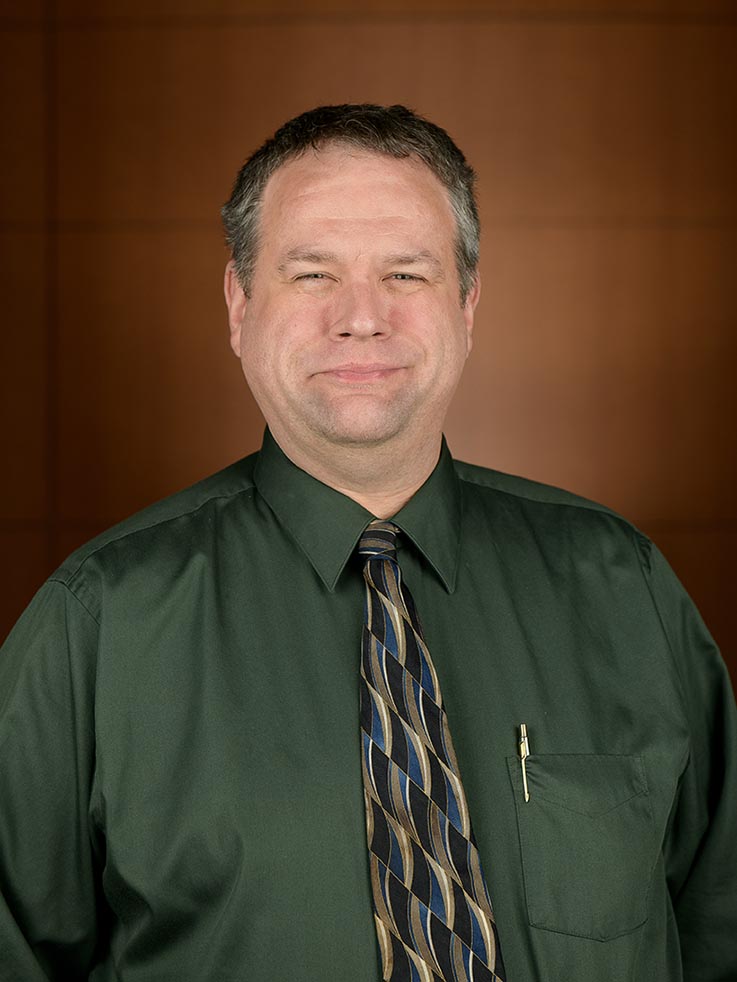 Harrison Wick
IUP Libraries
Since 2007, it has been my privilege to serve as Special Collections librarian and university archivist. One of the most rewarding aspects of my position is coordinating with faculty to teach bibliographic instruction sessions about library resources. This work has given me the opportunity to meet thousands of students and provide them with a better understanding of the resources and services available through the IUP Libraries and Special Collections and University Archives.
What inspires me is the opportunity to work with colleagues in diverse disciplines, which has created new opportunities for me to better assist our students. I earned my undergraduate degree in history from Washington College in Chestertown, Maryland, and graduate degrees in history and library science from Indiana University in Bloomington, Indiana. At IUP, I enrolled in the DEd in Administration and Leadership Studies under the direction of Dr. Bob Millward. This program allowed me to explore many facets of research, and my dissertation examined the impact of logistics on the American Civil War, using the Battle of Gettysburg as a case study based on primary sources.
What I have enjoyed most about my time at IUP is getting to know our students and having the opportunity to conduct research, explore new ideas through professional development and continuing education, and share those experiences with others. I established the “Into the Archives” program as part of the Six O’Clock Series to collaborate with colleagues and students and promote research using archival resources and rare book collections.
Since I started at IUP, I have recorded more than 300 oral histories. One of the first interviews I recorded was with retired French professor Fernand Fisel (1924–2010), a Holocaust survivor. Interviewing him encouraged me to build an archival collection of recordings that shares the IUP story from the perspectives of alumni, community members, employees, and students.
University College
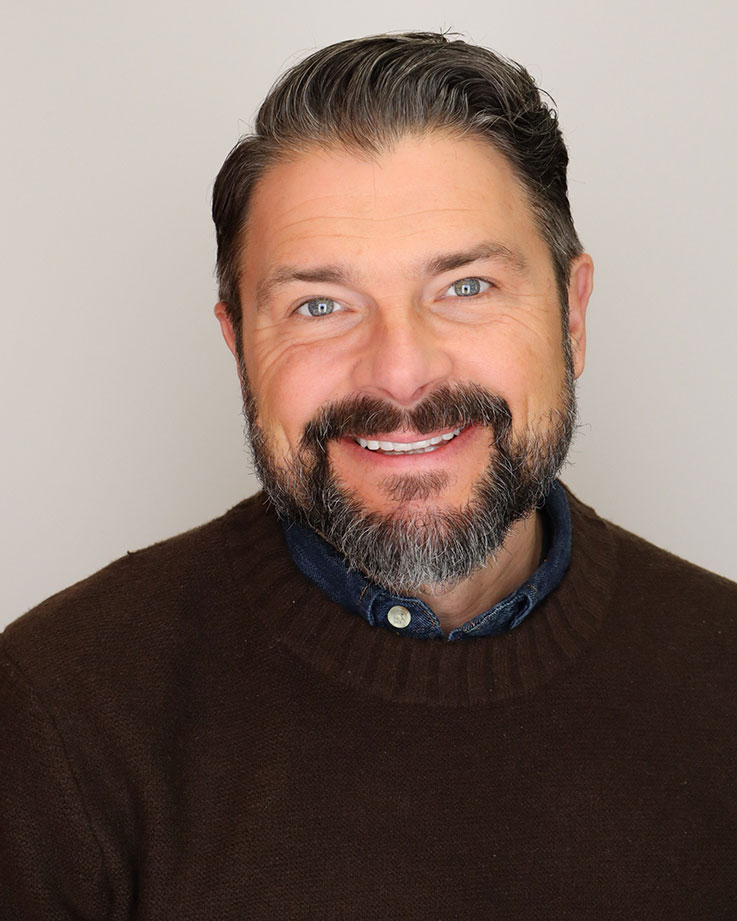 Todd Van Wieren
Student Affairs, Student Success, and Disability Access
I stumbled into postsecondary disability services somewhat by accident. As a senior psychology major at Calvin College, I knew I wanted to attend graduate school in a psychology-related field but could not decide which one. A professor mentioned a field called rehabilitation counseling, though he knew little about it beyond its connection to disability. This was the early 1990s, before the internet was widely useful, so I read a short paragraph in a reference book, thought, “Yep, that will work,” and applied to a master’s program at the University of Iowa. That decision later led to a PhD at Virginia Commonwealth University.
My first job after graduate school was with a private Pittsburgh firm managing workers’ compensation cases. After five years of feeling as though I served insurance companies more than injured workers, I began looking elsewhere. Twenty-six years ago, I found an advertisement for my current position at IUP in the Pittsburgh Post-Gazette classified section. At the time, I had never heard of the field. Looking back more than a quarter century later, I feel fortunate to have stumbled in the right direction. If I could do it over again, researching more carefully this time, I would still choose to land here.
When I started at IUP in my mid-20s, I naively thought of the job as helping people who needed help, a natural enough way to see it early on. It took time for me to understand it differently. These days, the work is less about doing things for students and more about working with them to remove whatever barriers stand between them and the same opportunities everyone else has: the same classrooms, the same learning opportunities, and the same chance to demonstrate what they can do.
The most rewarding part of my career has been the hundreds of IUP students I have worked with, gotten to know, and learned from. Looking back, I realize how much they have collectively shaped my understanding of disability and how to serve students better.
Promotions to associate and assistant professor were also announced for the following faculty members:
Associate Professor
Arts, Humanities, Media, and Public Affairs
Belinda Nuth Sloboda
Art and Design
College of Health Sciences
Jodie Seybold
Allied and Public Health
Assistant Professor
College of Education and Human Services
Michelle Tweardy
Career and Wellness Education
Eberly College of Business
Thomas Barnes
Hospitality and Employment Relations
Melinda McIsaac
Hospitality and Employment Relations
Erin Reed
Hospitality and Employment Relations
Student Affairs
Mark Wolfe
Intercollegiate Athletics